Why Are My Gutters Overflowing? A Step-by-Step Diagnosis
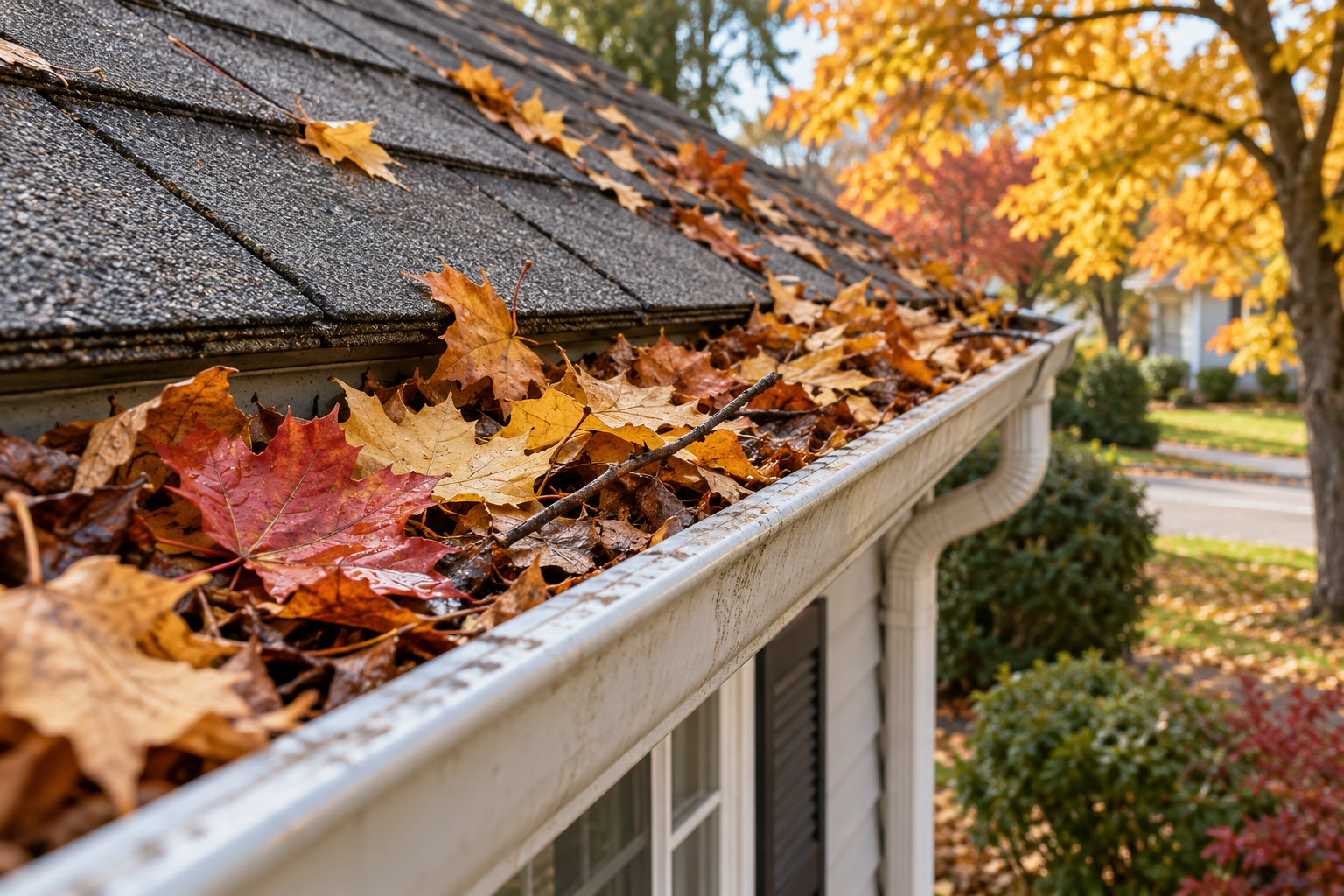
Overflowing gutters do not always mean you need larger gutters. Leaves, a blocked outlet, a distorted section or a downstream restriction can cause the same symptom. The most useful first step is to record exactly where water escapes and when it happens.
Observe safely during rain
Watch from a sheltered ground-level location. Note whether water spills along the front edge, behind the gutter, at a corner or only near a roof valley. Do not climb a ladder in wet or windy conditions. Photos or a short video can help an installer reproduce the diagnosis.
Match the symptom to a likely cause
- Overflow near the outlet: Check for leaves at the opening, a clogged elbow or a restricted underground connection.
- Overflow midway along a run: Look for a sagging section, accumulated debris or inadequate conveyance toward the outlet.
- Water behind the gutter: Ask for a roof-edge, drip-edge and gutter-position inspection.
- Overflow below a valley: Concentrated roof flow may overshoot or exceed the local collection arrangement.
These are diagnostic clues, not proof. More than one fault can occur at the same location.
Clear obstructions before changing the design
Arrange safe removal of debris from the gutter, outlet and accessible downspout sections. Ask the contractor to verify downstream discharge too. Water that disappears into a buried pipe is not necessarily draining freely.
If you are budgeting professional work, the gutter cleaning cost calculator can provide a starting estimate. Tell the cleaner about guards, difficult access and underground drains so the quote covers the actual problem.
Check slope and supports
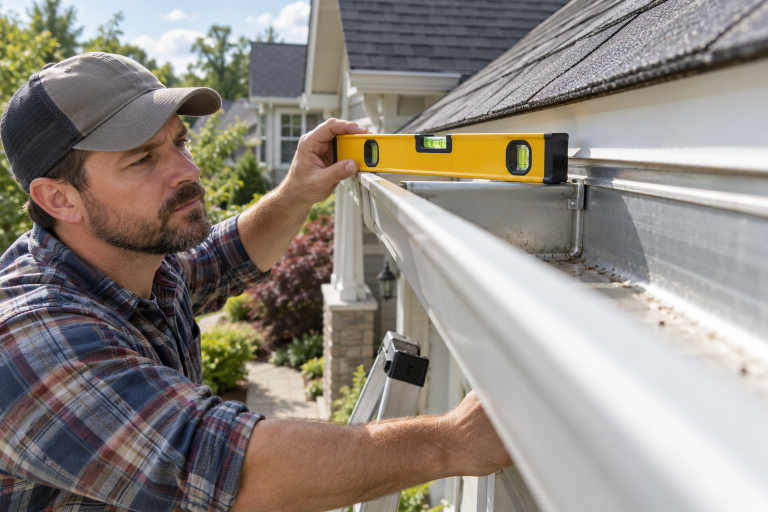
A gutter that has pulled away from its fascia or bowed under debris may retain water even when clean. Inspect the supports and supporting timber before adding sealant. Our gutter slope guide explains why a local low spot can matter even when the endpoints look correct.
Review capacity if clean gutters still spill
Measure the roof area feeding the affected run, identify valley concentrations and use local design rainfall. Compare the whole system: gutter profile, outlet, downspout and final discharge. The gutter capacity calculator helps organize this review.
Record whether overflow happens during ordinary rainfall or only an exceptional storm. That distinction helps a professional evaluate capacity without assuming every event has the same intensity.
Will gutter guards solve overflow?
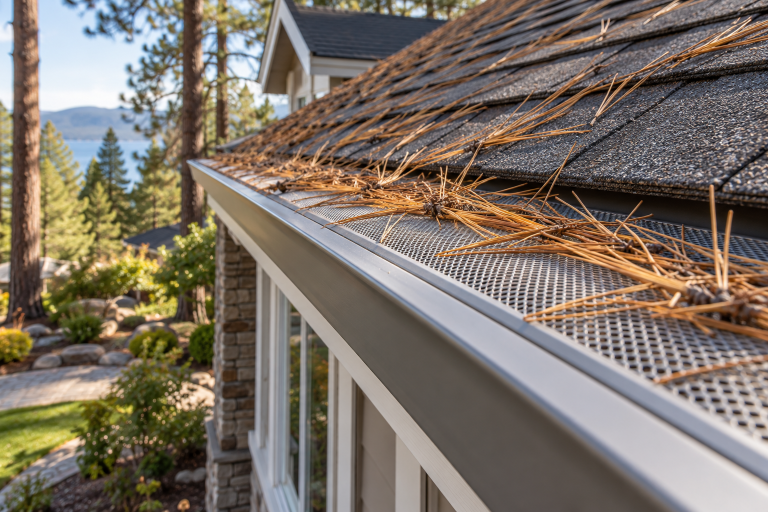
Only if the selected guard addresses the debris problem and admits the expected flow. A blocked guard surface or unsuitable installation can also shed water over the edge. Diagnose the cause first, then choose cleaning, repair or redesign based on what you find.