5-Inch vs. 6-Inch Gutters: How to Choose the Right Size
Choosing between 5-inch and 6-inch gutters starts with the water your roof sends to each gutter run. A larger gutter may help with heavy runoff, but the outlet, downspout and discharge route must also handle that flow. Width alone cannot fix every overflow problem.
What changes when you choose a larger gutter?
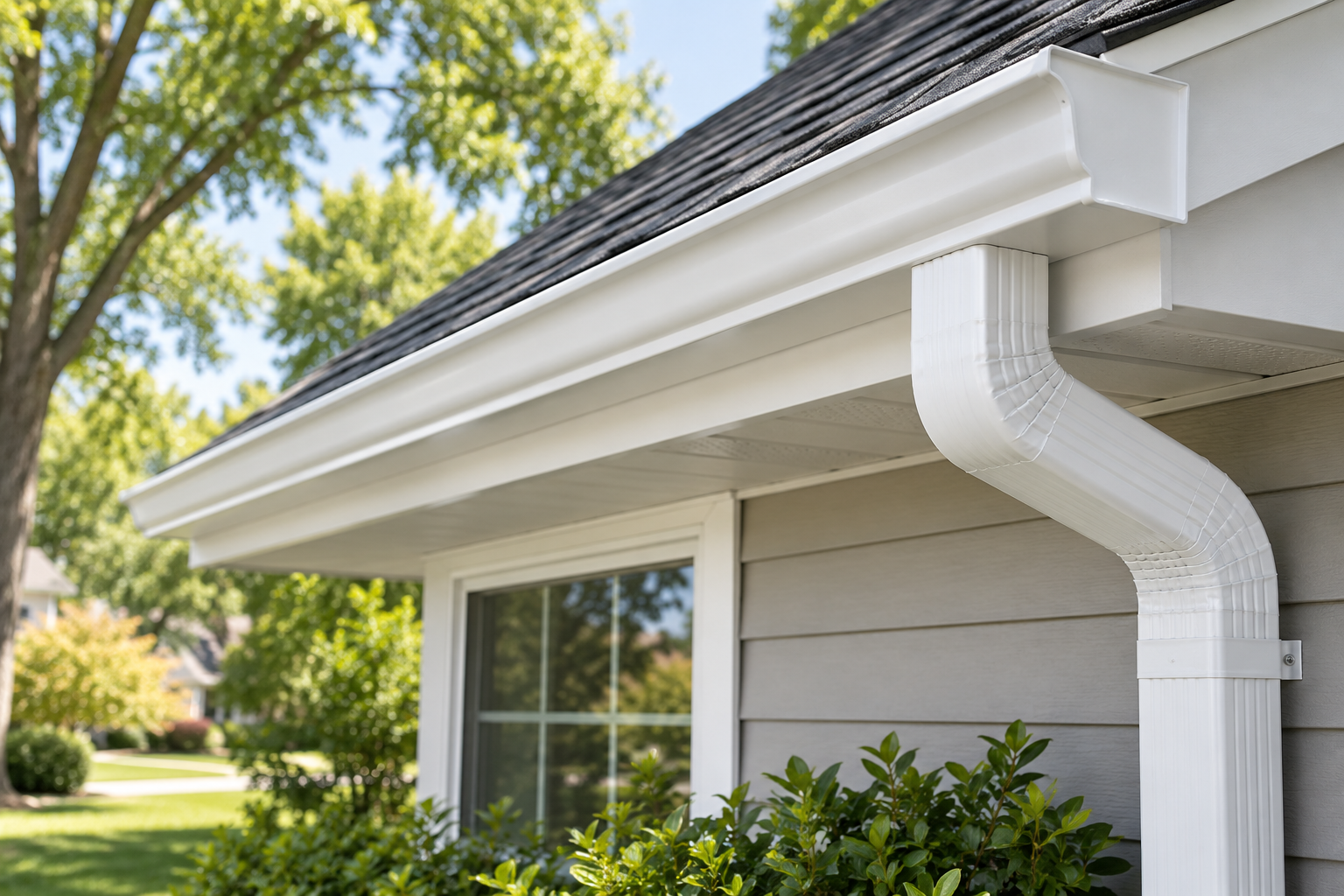
Within the same gutter profile, a larger size generally provides more room for flowing water and debris. However, a 6-inch half-round gutter and a 6-inch K-style gutter do not have identical hydraulic performance. Compare the actual profile and manufacturer capacity data rather than relying on the nominal width.
Appearance matters too. A larger gutter has a more visible fascia line. Ask for a sample against your roof edge, especially if you are replacing a smaller system on a compact home.
Three measurements to collect first
- Contributing roof area: Identify the roof planes feeding each run. House floor area is not a substitute for this measurement.
- Local design rainfall: Use a rainfall intensity appropriate to the project location. Annual rainfall totals do not describe a short, intense storm.
- Drainage layout: Record gutter lengths, roof valleys, outlet positions and downspout routes.
Use the gutter size calculator for an initial comparison, then review the assumptions with an installer. Complex roofs need attention to concentrated flow at valleys and upper-roof downspout discharge points.
When each option deserves a closer look
A 5-inch system may suit a modest contributing roof area where the selected profile and outlet arrangement meet local design conditions. Consider a 6-inch system when a larger catchment, intense rainfall or concentrated roof runoff exceeds the smaller system’s verified capacity. Neither size is automatically correct for every house.
For example, two gutters of equal length can receive very different flows if one drains a small porch and the other drains several intersecting roof planes. Measure the catchment for each run separately.
Check the downspouts before upgrading
If water backs up near a blocked outlet, replacing the gutter alone may leave the same problem. Inspect for obstructions, crushed elbows, poorly placed outlets and underground drain restrictions. The downspout calculator can help you explore a coordinated layout.
Questions to ask an installer
- What roof area and rainfall intensity support the recommendation?
- Which gutter profile, outlet opening and downspout dimensions are included?
- How will valley flow and long runs be managed?
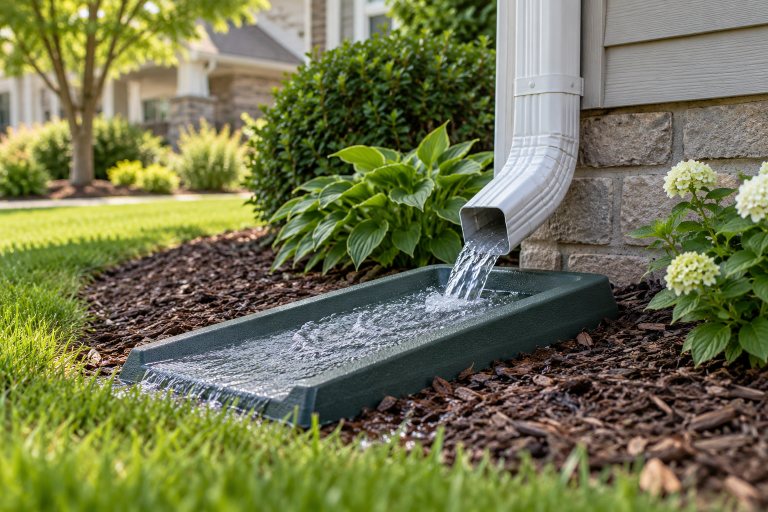
- Where will discharged water go after it leaves the downspout?
Does a 6-inch gutter eliminate cleaning?
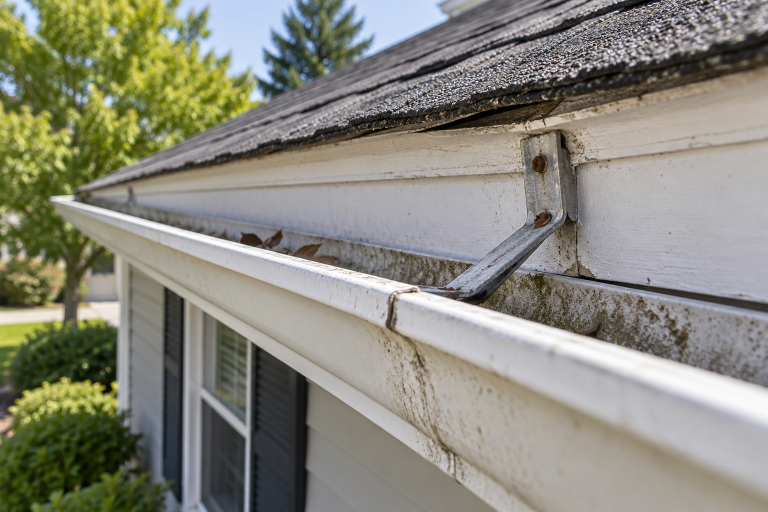
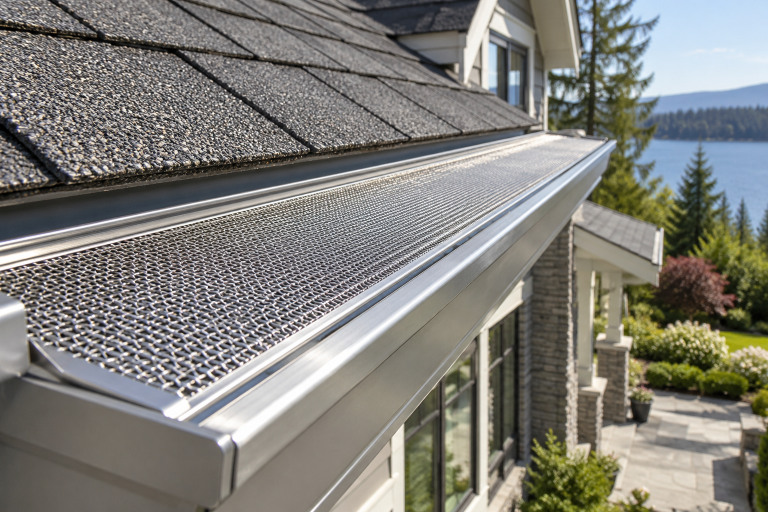
No. A larger gutter can still clog, sag or overflow. Keep the full drainage path clear and inspect after major storms. Before ordering, compare a written specification and installed quote using the gutter installation cost calculator. Treat calculator results as planning estimates, then confirm the design on site.